All Categories
Featured
Table of Contents
Fixed storage, easy workflows, low SKU counts Cloud-based WMS with core inventory tracking, order management, and barcode scanning Multiple zones, higher volumes, basic slotting Dynamic area management, directed selecting, wave/batch abilities Multiple picking methods, omnichannel, value-added services Advanced task orchestration, flexible workflows, labor management, integrated transportation Conveyors, sortation, modest robotics WCS integration, devices coordination, hybrid resource management, real-time tracking AS/RS, extensive robotics, goods-to-person WES abilities, multi-system orchestration, predictive analytics, AI-driven optimization The most costly mistake isn't underbuyingit's mismatching system intricacy to functional needs.

, a leading product sample delivery service for architects and designers, partnered with Made4net to transform its high-volume fulfillment operations. The business required to preserve next-day delivery commitments while scaling to handle increasing order volumesall with near-perfect accuracy.
20-30% Productivity Enhancement: Instinctive system style decreased staff member training time from weeks to days, while structured workflows increased throughput without including headcount. Next-Day Delivery at Scale: Advanced picking optimization and order management allow Product Bank to deliver 98% of plans through concern overnight service for 10:30 AM deliverymaintaining this commitment even during peak demand durations.
Maximising Picking Efficiency in Multi-Channel Environments
Constant Optimization: Weekly partnership sessions with Made4net's development and assistance teams guarantee the system evolves with Material Bank's growing operational requirements and company objectives. Storage facility management systems have actually changed from stock tracking tools into smart orchestration platforms that control real-time execution, assistance decision-making, and coordinate complex satisfaction operations. Mounting pressuresfaster delivery expectations, rising labor costs, and automation combination requirementshave driven this evolution.
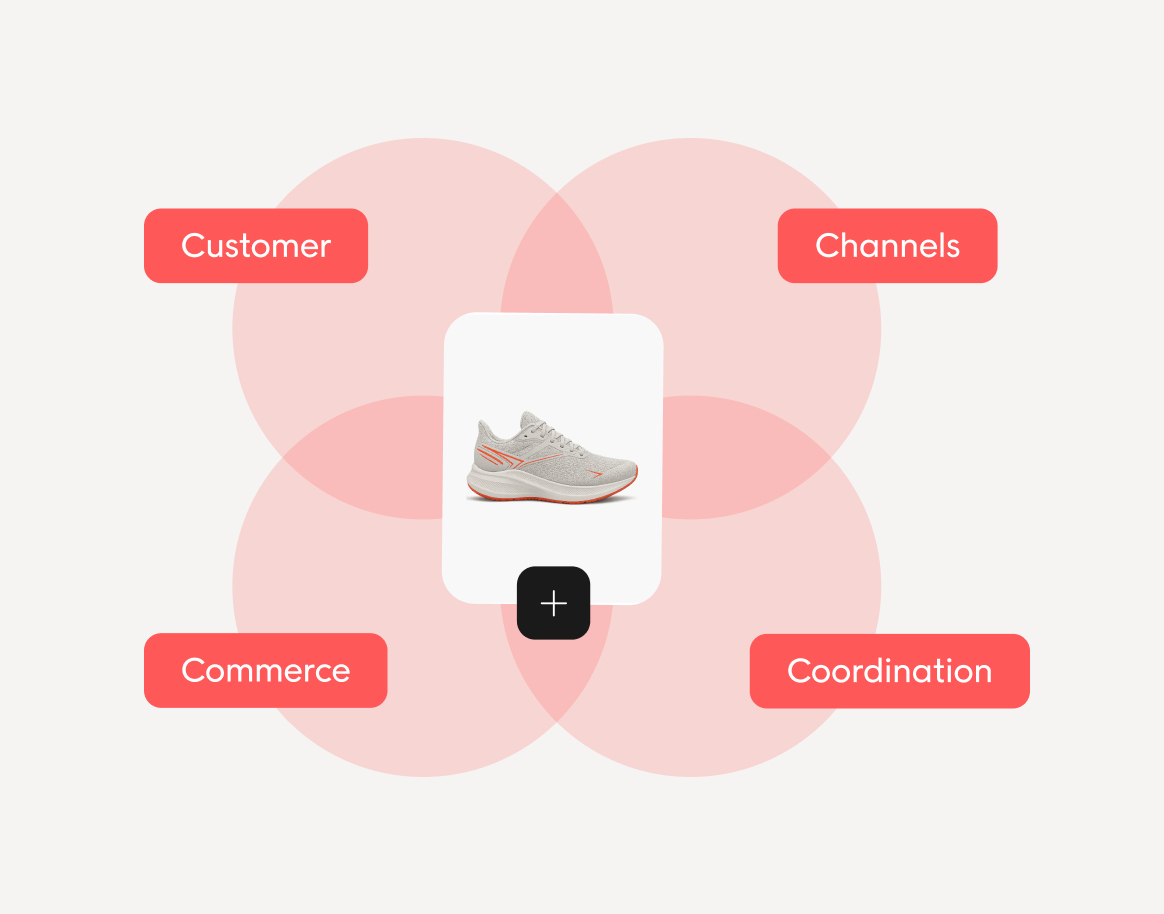
Artificial intelligence, autonomous operations, and cloud-native architectures are enabling WMS platforms to become genuinely smart, extensible, and adaptive to multi-channel fulfillment environments." Here's how these forces are reshaping warehouse management: Next-generation WMS software will move from reactive problem-solving to predictive intelligence. Machine knowing algorithms will analyze historic patterns, real-time conditions, and external factors to expect demand fluctuations, optimize stock placing proactively, and recognize potential traffic jams before they impact performance.
WMS Prepared to Manage Complex Stock Surges?Supervisors can ask questions like "Why is this order postponed?" or "What's causing the bottleneck in Zone 3?" and receive contextual, data-driven answersmaking advanced analytics available to everyone, not just technical experts. As warehouses deploy more autonomous mobile robotics (AMRs), automated storage and retrieval systems (AS/RS), and robotic choosing services, WMS platforms are progressing into advanced orchestration engines that seamlessly coordinate human workers and automated devices.
Real-Time Data Sync across Various Sales Channels
This hybrid approach maximizes the strengths of both automation speed and human analytical rather than merely replacing workers with robots. Cloud-native, microservices-based WMS architecture provides unprecedented flexibility. Organizations can deploy new functionality rapidly, scale resources dynamically during peak durations, and integrate best-of-breed solutions without monolithic system restrictions. Composable WMS platforms allow services to assemble exactly the capabilities they needselecting modules for particular functions while preserving seamless combination.

From their origins as fundamental inventory tracking systems in the 1970s to today's smart orchestration platforms, warehouse management systems have ended up being the functional structure of modern-day fulfillment. Despite just how much automation, robotics, or AI your operation releases, a sophisticated warehouse management system stays essentialcoordinating every movement, choice, and resource from getting dock to shipment truck.
As customer expectations intensify, labor markets tighten up, and technology abilities broaden, the space between fundamental and advanced WMS platforms directly impacts your competitive position.

Latest Posts
Increasing Order Efficiency in Complex Environments
How to Align Live Stock across Multiple Channels
Warehouse Prepared to Manage Multi-Platform Stock Surges?